Source Single Item Plug for Power, Audio, and Charging
Find a single item plug from 30 verified options. Compare AC and DC models with certifications like CCC and VDE. Source reliable connectors for power supply and audio applications with customizable features and global standards; compare the available evidence and request quotations based on your requirements.
Key considerations
Products List


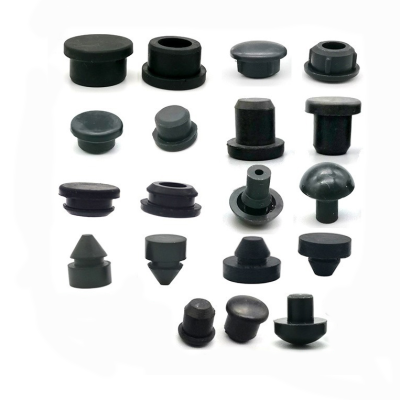


$14.50 - $15.00
Moq: 200
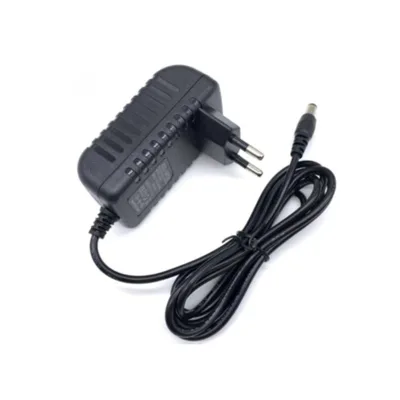
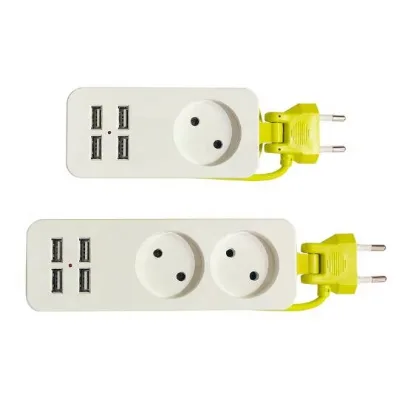
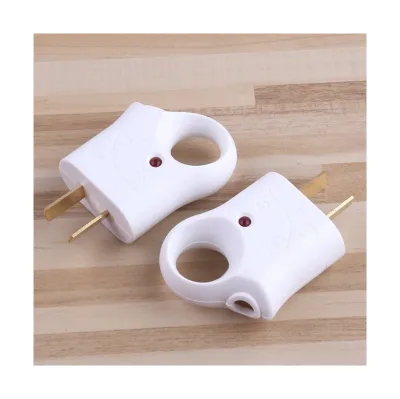
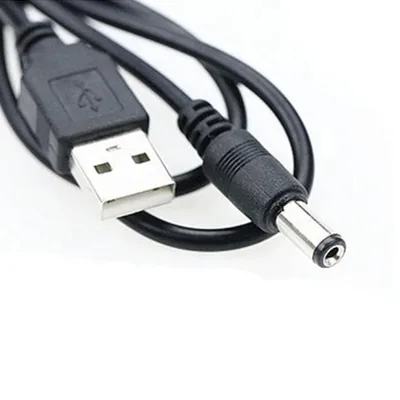
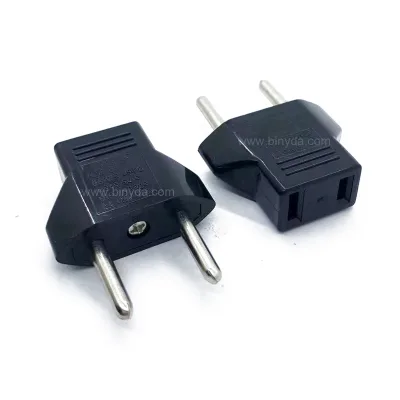
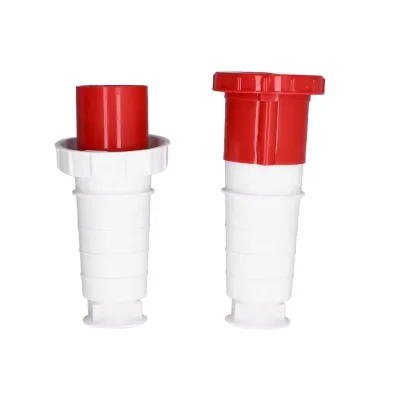
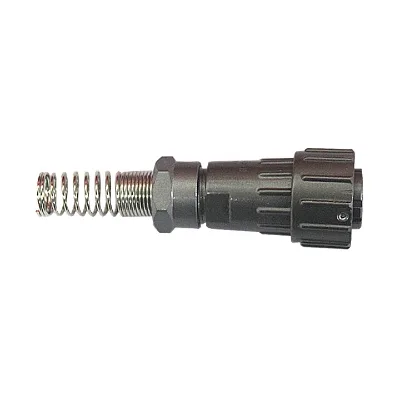





Comprehensive Sourcing Guide
Single Item Plug Sourcing Guide
Buyers must first distinguish between single-item plug configurations and bulk packaging options, as the observed data reveals significant variation in unit delivery formats. While some listings explicitly state "Single item" as a selling unit, others present complex packing structures like 12 pieces per inner box or 300 pieces per outer carton. This distinction is critical for procurement planning, as it directly impacts initial inventory costs and storage requirements for small-scale operations versus large distribution networks.
The functional scope of these plugs extends beyond simple power delivery to include specialized interfaces such as AC/DC conversion and audio connectivity. Procurement teams should verify whether the specific unit supports the required interface type, such as ADC or standard AC/DC, before finalizing orders. Understanding these functional nuances ensures that the selected single item plug aligns with the intended application, whether it is for general power supply, cable management, or specialized charging needs.
Product Scope and Observed Listing Signals
The market for single item plugs displays a wide range of material compositions, including Bakelite, ABS shells, PVC, and rubber, each offering distinct durability and safety profiles. Buyers should carefully review the listed standard materials, such as copper or iron fittings, to ensure compatibility with their specific electrical load requirements. The presence of diverse shell materials indicates that suppliers cater to various environmental conditions, necessitating a clear definition of the operating environment before selection.
Listing signals also highlight significant variability in shape and interface types, ranging from EP and BP2 shapes to multiple plug functions like charger and audio plugs. This diversity suggests that a single SKU may not satisfy all procurement needs, requiring buyers to cross-reference specific model numbers like 315 or 2739 against their technical drawings. Observing these signals helps in filtering out incompatible products early in the sourcing process, reducing the risk of receiving items that do not fit the intended electrical infrastructure.
Technical Specifications to Verify
Dimensional accuracy and physical construction are paramount when verifying technical specifications for single item plugs. The observed data includes specific dimensions such as 64.52936, which buyers must confirm against their physical constraints to ensure proper fitment. Additionally, the processing service of moulding indicates that custom shapes are possible, but the final product must strictly adhere to the stated dimensions to maintain electrical safety and mechanical integrity during installation.
Electrical performance relies heavily on the interface type and the quality of internal fittings, which are often described as copper or iron. Buyers should verify that the interface type, whether ADC or AC/DC, matches the source power and load requirements to prevent overheating or connection failures. Confirming the specific model number, such as DW25Q3D or P10, is essential as these identifiers often correlate with unique internal wiring configurations and current ratings that are not immediately visible from the exterior.
Compliance and Safety Documentation
Certification requirements vary significantly across the observed listings, with some products holding CCC, CE, and ISO marks while others list extensive international approvals like VDE, BSI, and SAA. Procurement teams must demand proof of these certifications for the specific batch being ordered, as the presence of a certification on a general product page does not guarantee that every single item plug meets the standard. Verifying the specific certification list against the target market's regulatory requirements is a non-negotiable step to avoid legal and safety liabilities.
Safety standards also encompass the manufacturing origin and the specific standards applied, such as American, European, or British standards. Buyers should confirm that the product origin, typically noted as China or Hebei, aligns with the quality expectations associated with the claimed standards. Ensuring that the product adheres to the correct regional standard, whether it is the German or South African standard, is crucial for maintaining compliance in international trade and ensuring the plug operates safely under local voltage and frequency conditions.
Cost Drivers and Commercial Terms
Pricing for single item plugs is influenced by material costs, certification levels, and the complexity of the moulding process required for specific shapes. The observed price range of 0.01 to 125 USD reflects this variability, with higher costs likely associated with specialized materials like rubber or complex multi-function interfaces. Buyers should analyze the cost structure relative to the material and certification requirements to understand the value proposition of each supplier offering.
Commercial terms such as EXW and Minimum Order Quantities (MOQ) ranging from 1 to 10,000 units significantly impact the total cost of ownership. While some suppliers offer single-item purchasing, others may require bulk orders to achieve competitive pricing, forcing buyers to balance inventory holding costs against unit price savings. Understanding the packing specifications, such as 500 pieces per plastic box or 600 pieces per carton, is essential for calculating logistics costs and determining the most economical order size for the specific business need.
Supplier Qualification and Quality Control
Supplier qualification should focus on the availability of customization services and the robustness of their after-sales support systems. The observed data indicates that customization is available and that product guidance is offered as an after-sales service, which are positive indicators of a supplier's commitment to client success. Buyers should verify the warranty terms, typically listed as one year, and ensure that the supplier has a clear protocol for handling defects or performance issues that arise post-delivery.
Quality control is further evidenced by the presence of ISO 9001 certification and the use of standardized production processes like moulding. However, buyers must not assume that all listed products meet these standards without specific verification for the ordered batch. It is advisable to request quality control reports or third-party test results that confirm the material composition and electrical safety of the specific single item plugs being purchased to mitigate the risk of receiving substandard goods.
Long-Term Procurement Checks
Sustaining a reliable supply chain for single item plugs requires regular audits of supplier performance against the initial specifications and certifications. Buyers should establish a schedule to re-verify that the materials, such as ABS or PVC shells, and fittings remain consistent over time, as changes in raw material sourcing can affect product longevity. Continuous monitoring ensures that the supplier maintains the quality levels required for long-term operational stability and safety compliance.
Future procurement strategies should also account for the evolving landscape of international standards and certification requirements. As regulations in target markets like the US, EU, or Asia change, the supplier must demonstrate the agility to update their products accordingly. Maintaining open communication regarding these changes and ensuring that the supplier can adapt their production lines to meet new standards is vital for avoiding supply disruptions and maintaining market access in the long term.
FAQs
What certifications do the single item plugs have?
The single item plugs carry multiple certifications including CCC, CE, ISO, VDE, BSI, T-MARK, SAA, PSE, SABS, UC, and PSB. These ensure compliance with various international safety standards for AC and DC applications across different regions.
Which customization options are available for these plugs?
Customization is available for the single item plugs, allowing buyers to specify materials like Bakelite, ABS, or PVC shells with copper or iron fittings. Brands can be set to Gxt, OEM, or SRRP based on specific client requirements.
Can I find single item plugs with specific model numbers?
Yes, specific model numbers such as 315, 2739, 357, 311, 323, P10, and DW25Q3D are available for the single item plugs. These models vary in dimensions and materials to suit different power supply and cable application needs.
How are the single item plugs packed for shipment?
Packing varies by model, ranging from 1 piece per plastic bag to 500 pieces per plastic box. Common configurations include 12 pieces in an inner box with 300 in an outer carton, or 200 pieces in an inner box with 2000 in an outer carton.
What is the warranty period for the single item plugs?
The single item plugs come with a standard one-year warranty period. This coverage includes product guidance for after-sales service to ensure proper usage and address any functional issues that may arise during the warranty term.
Which standards do the single item plugs comply with?
These plugs comply with American, European, Chinese, British, German, South African, Italian, and Swiss standards. The products are manufactured in China, specifically in Hebei, ensuring adherence to diverse international electrical safety and performance requirements.
What materials are used to make the single item plugs?
Materials include rubber, Bakelite, ABS shells, and PVC shells combined with copper or iron fittings. The choice of material depends on the specific model and application, ensuring durability and safety for various AC and DC plug functions.